Exploring the psychology behind casino design
The Impact of Color Psychology
Colors play a crucial role in shaping the emotional atmosphere of a casino. Warm colors like red and orange are often used in design because they evoke excitement and urgency, encouraging patrons to engage in more gambling activities. For example, the strategic use of red can stimulate appetite and increase heart rates, which can lead to a more thrilling experience for players at 1win where this vibrant ambiance enhances their enjoyment, creating an environment where guests feel invigorated and eager to spend more time playing.
Furthermore, cooler colors like blue and green are frequently utilized in areas designed for relaxation, such as lounges or bars. These shades evoke calmness and peace, providing a counterbalance to the high-energy game floors. When patrons take breaks in these soothing spaces, they may recharge and become more willing to return to the excitement of the gaming area. The balance of colors can significantly influence mood and behavior, ultimately affecting the duration and depth of the gaming experience.
The overall application of color in casino design is not merely aesthetic; it is calculated to elicit specific emotional responses from players. Through careful selection and placement of colors, casinos can manipulate the psychological environment, making it more conducive to extended play and increased spending. This dynamic understanding of color psychology highlights how thoughtful design can influence individual behavior in subtle yet impactful ways.
Layout and Spatial Navigation
The flow and layout of a casino are meticulously designed to steer patrons through the space in a way that feels natural yet keeps them engaged longer. Casinos often employ a maze-like structure that encourages exploration, allowing guests to wander from one gaming area to another without quickly realizing how much time has passed. The absence of windows and clocks enhances this effect, creating a sense of timelessness that is conducive to extended play.
Moreover, the strategic placement of high-stakes games near lower-stakes ones can encourage players to migrate towards the higher-risk options. As players observe others winning large sums, they may feel a compelling urge to try their luck as well. This careful arrangement guides individuals toward areas that increase overall gambling activity, ultimately maximizing revenue for the casino.
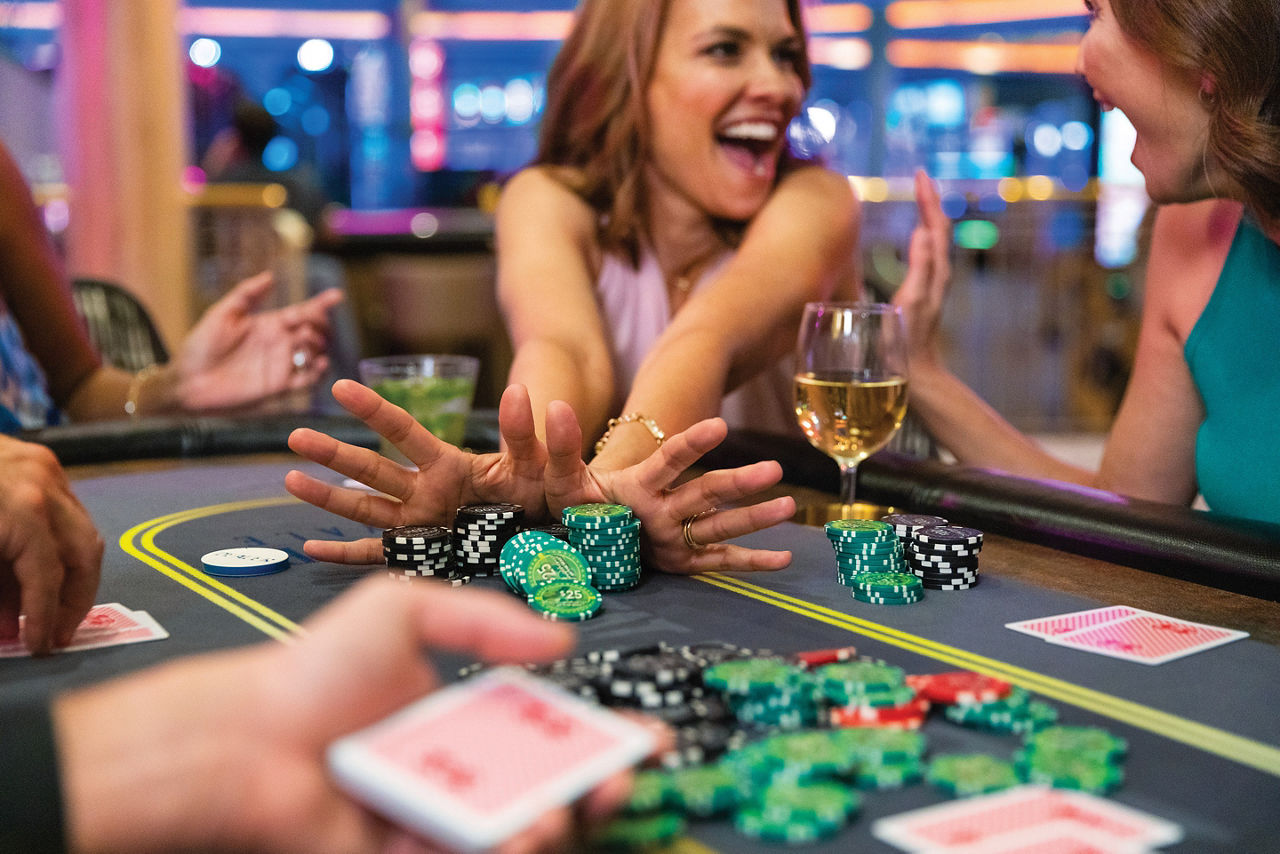
Additionally, the spatial configuration can affect social interactions among players. Open layouts often create a sense of community, encouraging players to engage with one another as they watch games unfold. On the other hand, more intimate setups can cultivate a feeling of exclusivity and high stakes. By understanding the psychological impacts of layout and navigation, casinos can design experiences that promote social bonding while driving revenue through strategic paths and functional spaces.
Sound and Ambiance Effects
Sound design is another powerful tool in the psychological arsenal of casino design. The auditory environment in a casino is carefully curated to create an atmosphere that feels both exciting and inviting. The constant sound of slot machines ringing, people cheering, and upbeat music creates an immersive experience that can heighten emotions and encourage longer stays. This deliberate soundscape ensures that guests remain engaged and stimulated, further drawing them into the gaming experience.
Research shows that background music can influence not only the mood of patrons but also their spending habits. Casinos often select tempos that maintain high energy and excitement, as well as sounds that signal winning—like the “cha-ching” of coins or bells ringing. These auditory cues play a significant role in reinforcing behavior, encouraging players to gamble more in pursuit of those exhilarating sound rewards. The psychological reinforcement from sounds can be a potent motivator for players to stay longer and engage more thoroughly with the games.
Moreover, the careful orchestration of sound can also affect how patrons perceive time and success. By associating pleasant sounds with small wins, casinos can create a feedback loop that encourages players to continue spending. This highlights the significance of sound as not just a background element, but as an integral part of the gaming experience designed to maximize engagement and spending among players.
The Role of Lighting in Atmosphere
Lighting is fundamental in shaping the atmosphere of a casino, influencing both mood and behavior. Bright, flashing lights are prevalent on gaming floors, designed to draw attention and excite players. These dynamic light displays often aim to provoke feelings of anticipation and thrill, creating an environment that feels alive and energetic. Conversely, softer ambient lighting in lounges or dining areas invites relaxation and socialization, providing a necessary contrast to the vibrancy of the gaming zones.
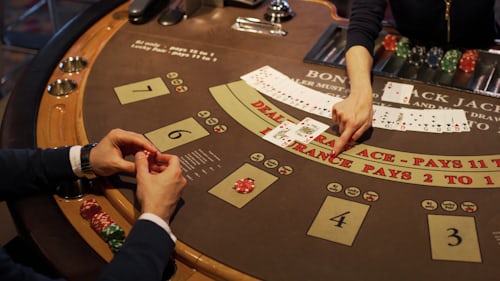
Moreover, strategic lighting can guide focus and attention within the casino. Spotlights may highlight specific game tables or attractions, encouraging foot traffic toward high-traffic areas. This well-placed illumination creates focal points that direct attention and draw players into the games, enhancing participation rates. The interplay between bright and subdued lighting can seduce players into staying longer and engaging more deeply with the gaming experience.
In essence, effective lighting design is a blend of art and psychology, crafting an environment that not only entertains but also influences player behavior. By manipulating the intensity and color of light, casinos can invoke various emotional responses, such as excitement or comfort, which can lead to increased playtime and expenditure. The thoughtful integration of lighting design into casino architecture illustrates just how deeply psychology informs the gaming experience.
Understanding Casino Websites and Online Engagement
In the digital age, casino websites have emerged as crucial components of the gambling experience, mirroring many of the principles found in physical casino design. The websites are often designed to reflect the dynamic and exciting atmosphere of an actual casino, employing vibrant colors, engaging graphics, and interactive elements to entice users. By creating an online environment that evokes the thrill of playing in person, these websites seek to captivate visitors and encourage them to explore the offerings available.
Just as in physical casinos, the layout of an online casino site is designed for optimal navigation. Key games and promotions are prominently displayed, allowing users to easily access popular choices or new offerings. This strategic placement mirrors the spatial navigation used in physical settings, creating a seamless user experience that keeps players engaged. By understanding how to guide users through their online space, these websites can enhance user interaction and satisfaction.
Furthermore, the incorporation of sound and visual effects in online platforms plays a vital role in engaging players. Just as the sounds in a brick-and-mortar casino heighten the sensory experience, audio cues in online games can evoke the same excitement and anticipation. This digital strategy translates the psychology of physical casino design into the online realm, ensuring that virtual players feel just as connected to the thrill of the game as their in-person counterparts.
